

Running wear has evolved from basic cotton shirts and shorts into sophisticated athletic apparel designed to enhance your comfort and performance. The right running clothes can regulate your body temperature, wick away moisture, and reduce friction during your workouts. Whether you’re training for your first 5K or logging marathon miles, what you wear matters.
Your running wardrobe needs to work as hard as you do. Modern running apparel incorporates technical fabrics and design features that address common challenges like chafing, overheating, and weather protection. Understanding these elements helps you make informed choices rather than relying on trial and error.
Different running conditions demand different clothing solutions. From hot summer days to cold winter mornings, selecting appropriate gear for the climate protects your body and keeps you running consistently throughout the year.
Key Features of High-Performance Athletic Apparel
Performance running apparel relies on three critical technologies that work together to regulate body temperature, manage perspiration, and maintain freedom of movement during runs. These features transform basic clothing into technical gear designed for athletic demands.
Moisture-Wicking Materials
Moisture-wicking fabrics pull sweat away from your skin and transport it to the garment’s outer surface where it can evaporate quickly. This process uses synthetic fibers like polyester, nylon, and polypropylene that are engineered with a hydrophobic core and hydrophilic exterior.
When you run, these materials prevent the accumulation of moisture against your body. This keeps you dry and maintains a more stable core temperature.
Cotton absorbs moisture but holds it within the fabric, making it unsuitable for running. Technical fabrics instead use capillary action to move sweat through microscopic spaces between fibers. The result is faster drying times and reduced risk of chafing.
Common moisture-wicking fabrics include:
- Polyester blends
- Merino wool
- Nylon composites
- Polypropylene
- Proprietary technical fabrics from major brands
Breathability and Ventilation
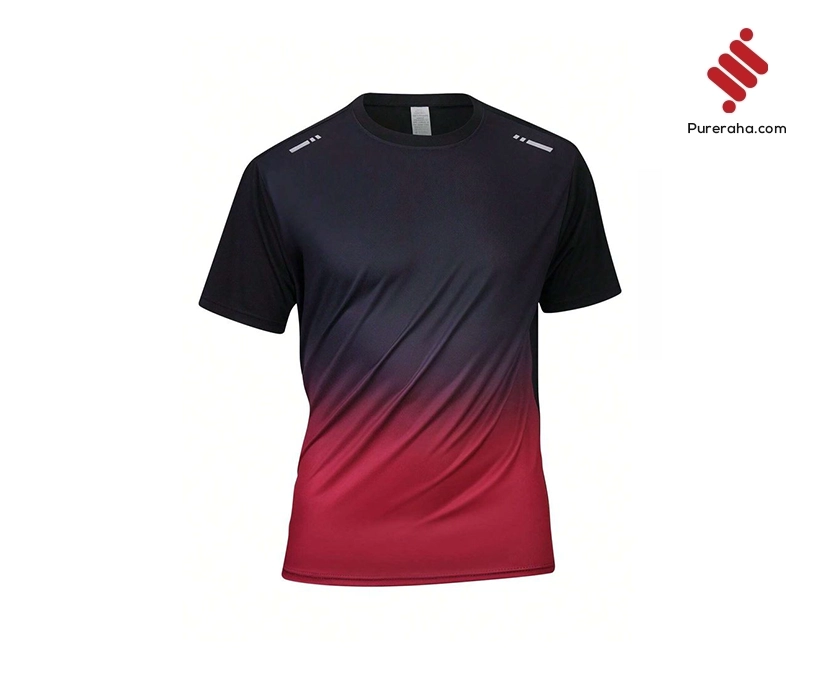
Breathable fabrics allow air circulation and heat dissipation through the garment’s structure. The construction features mesh panels, perforations, or looser weaves in high-heat zones like the back, underarms, and chest.
Fabric breathability is measured by air permeability ratings, though manufacturers don’t always publish these specifications. Better ventilation prevents heat buildup that reduces performance and increases discomfort.
Strategic placement of mesh inserts targets areas where your body generates the most heat. Some garments incorporate laser-cut ventilation holes that maintain structural integrity while improving airflow. The balance between wind resistance and breathability varies based on weather conditions and running intensity.
Lightweight and Flexible Fabrics
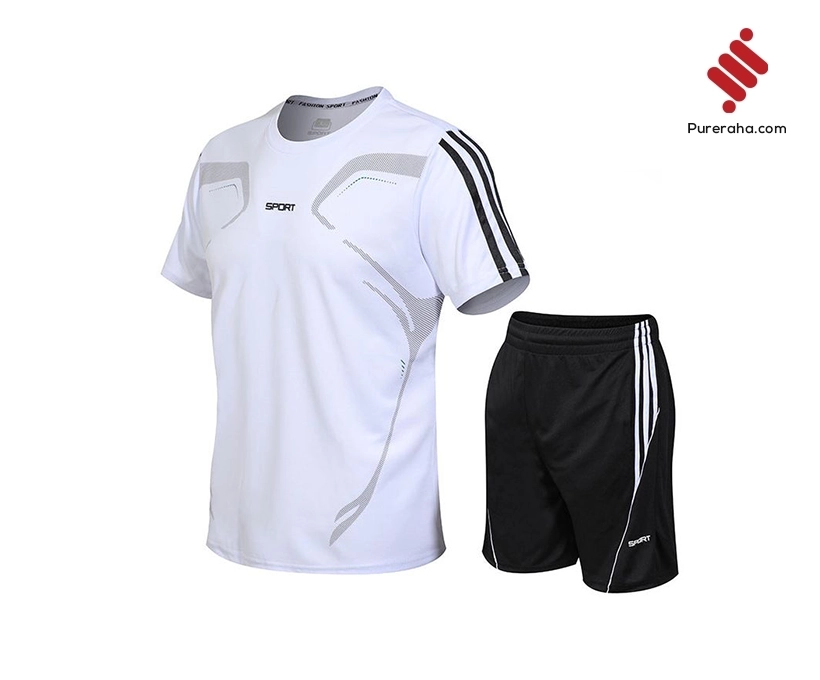
Running apparel uses lightweight materials that minimize added weight while maintaining durability. Modern technical fabrics weigh between 80-150 grams per square meter compared to cotton’s 180-250 grams.
Four-way stretch fabrics containing elastane or spandex allow full range of motion without restriction. This flexibility accommodates natural running mechanics and prevents the fabric from binding during stride extension.
Flat-lock seams and bonded construction reduce bulk and friction points. These design choices create a second-skin feel that moves with your body rather than against it. The lighter weight also reduces the energy cost of carrying saturated fabric during long runs or in humid conditions.
Selecting Clothing for Different Climates
Climate determines the foundation of your running wardrobe. Temperature, humidity, and wind exposure require specific fabric choices and garment combinations to maintain comfort and performance.
Warm Weather Essentials
Lightweight, moisture-wicking fabrics form the core of hot weather running gear. Choose materials like polyester, nylon, or merino wool that pull sweat away from your skin and dry quickly. Cotton traps moisture and causes chafing, making it unsuitable for warm conditions.
Your clothing should be loose-fitting or strategically fitted to allow air circulation. Running shorts with built-in liners reduce friction while providing breathability. Tank tops and short-sleeve shirts made from technical fabrics keep you cooler than heavier materials.
Consider these warm weather priorities:
- Light colors that reflect sunlight rather than absorb heat
- Mesh panels in high-sweat areas like the back and underarms
- UV protection built into the fabric for sun exposure
- Minimal coverage to maximize cooling through evaporation
Arm sleeves offer flexibility when temperatures fluctuate during your run. You can remove them easily if conditions warm up mid-workout.
Cold Weather Layering Techniques
Base layers with moisture-wicking properties prevent sweat from cooling against your skin. This foundation layer should fit snugly without restricting movement. Avoid cotton base layers as they retain moisture and lower your body temperature.
Insulating middle layers trap warm air while allowing moisture to escape. Fleece or synthetic materials work effectively for this purpose. The thickness depends on how cold the conditions are—you may need multiple insulating layers in freezing temperatures.
Weather-resistant outer layers protect you from wind, rain, and snow. Look for running jackets with breathable membranes that block elements while releasing heat and moisture. Ventilation zippers give you control when your body temperature rises.
Your extremities need specific protection:
- Running gloves or mittens for hands
- Thermal headbands or hats to retain heat lost through your head
- Neck gaiters for facial protection in severe cold
- Thermal tights instead of shorts below 50°F
Start slightly cool at the beginning of your run. You should feel comfortable after the first ten minutes of movement.